I Captured a Beautiful Galaxy and a Bright Supernova
I captured a beautiful galaxy and a bright supernova


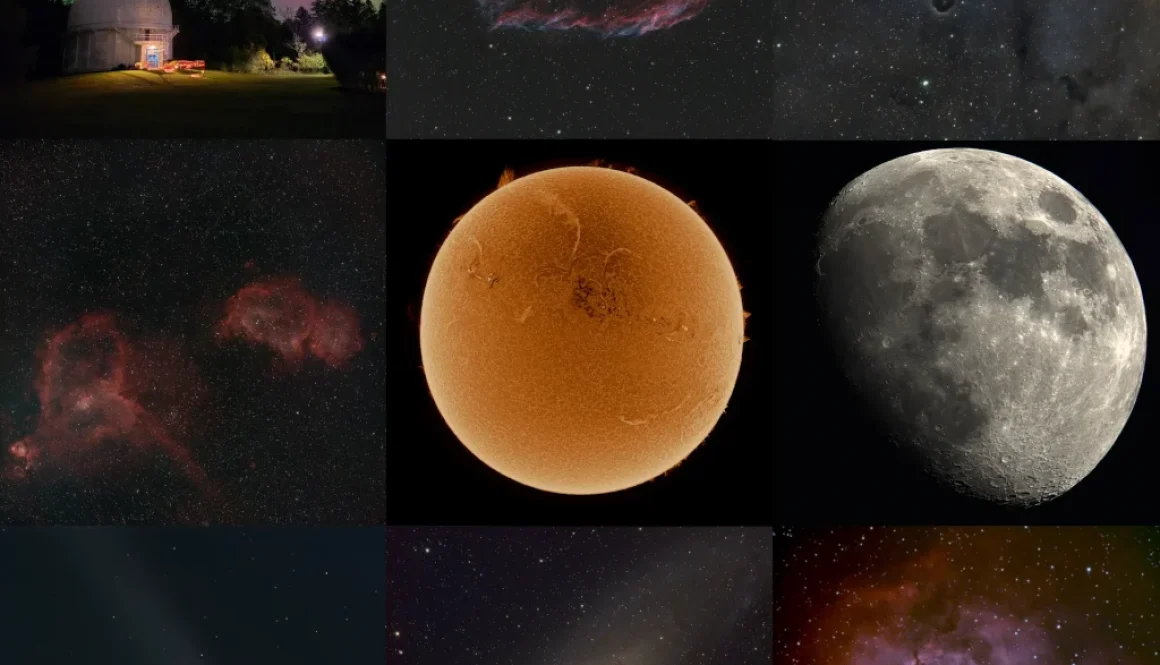
2024 was an exciting yet challenging year for my astronomical journey. Despite significant obstacles like persistent bad weather and clouds, pervasive fire smoke, poor atmospheric transparency, and the demands of a busy life, I managed to capture some remarkable celestial moments. Below are some of the highlights:
I pulled the trigger and delved into solar observation with a hydrogen alpha telescope. This allowed me to witness dynamic solar features at its maximum such as prominences, filaments, and solar flares in stunning detail.
My lunar and planetary imaging efforts were mixed. While I successfully captured images of the Moon, the year wasn’t particularly favorable for planetary imaging. Nevertheless, I managed to spend some time imaging both gas giants (Jupiter and Saturn) and ice giants (Uranus and Neptune), adding once again these distant worlds to my collection.
A highlight of my year was experiencing the darkness of a total solar eclipse, even though clouds prevented me from directly observing the event itself. I also successfully observed and captured a partial lunar eclipse.
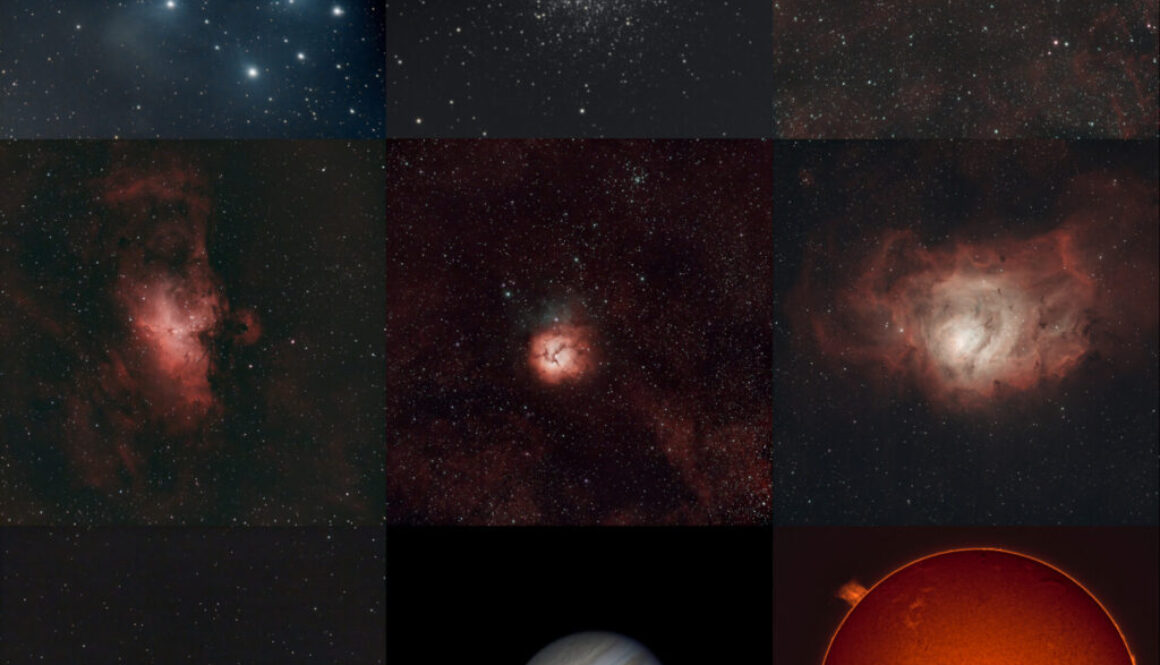
My deep sky imaging journey in 2024 was more rewarding. I explored multiple fascinating targets, including:
This year I finally attended Starfest for the very first time. This renowned star party provided me with opportunities to learn from experts, share experiences with fellow enthusiasts, and observe under dark skies.
I also continued my tradition of visiting the Royal Astronomical Society of Canada’s E.C. Carr Astronomical Observatory (CAO) multiple times this year, enjoying its dark skies nestled between the Blue Mountains and Beaver Valley.
2024 concluded with two spectacular cosmic events: a dazzling comet in the night sky and a major solar storm that ignited an unforgettable Northern Lights display, transforming my astronomical year into a breathtaking celestial finale.
Get ready for another orbit around the Sun and, as always, remember to keep looking up at the stars!
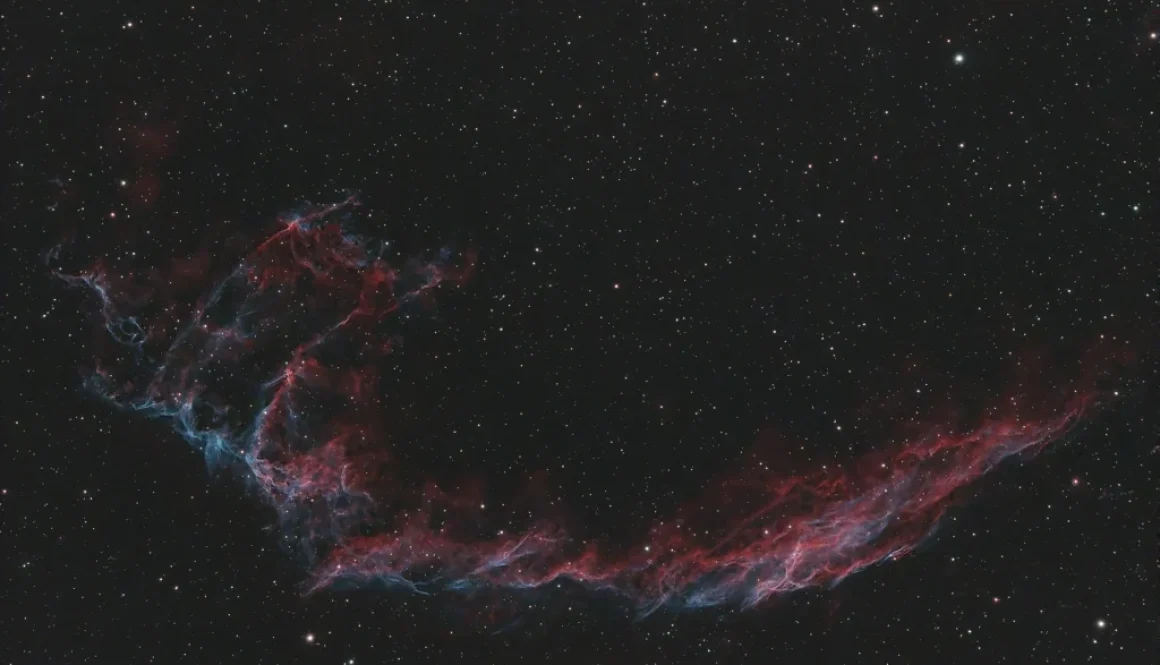
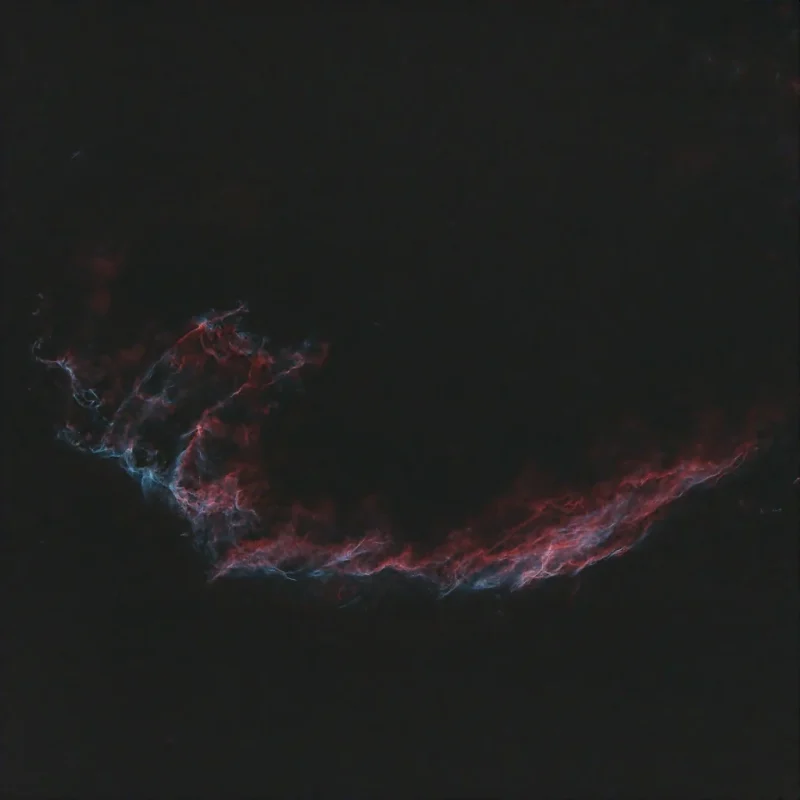
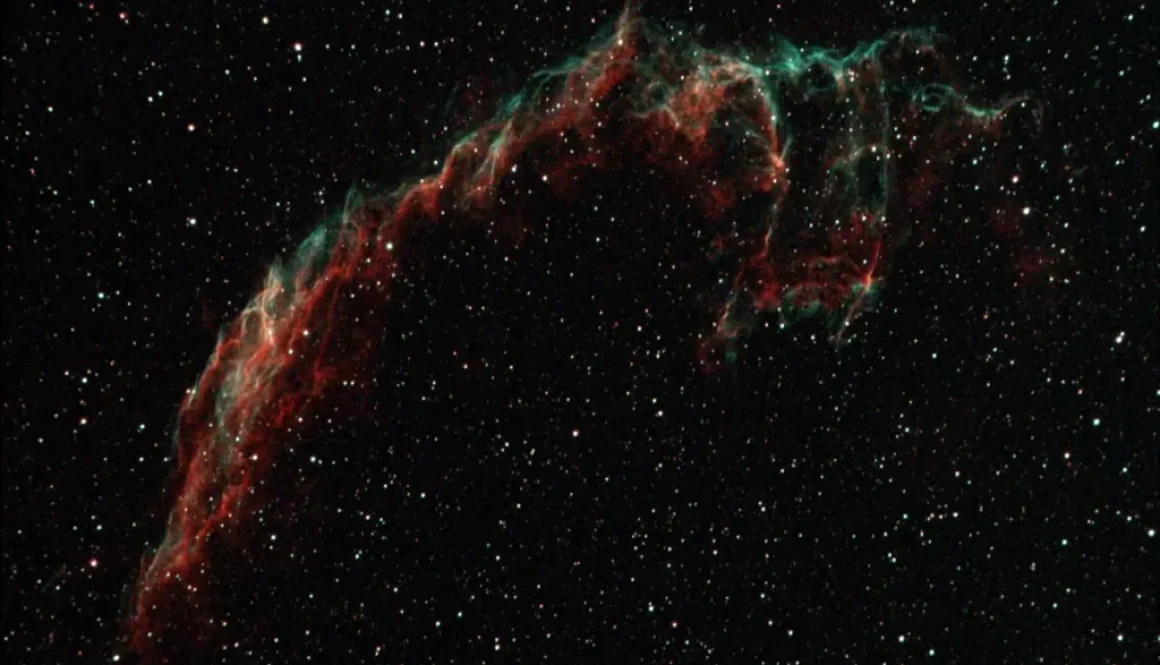
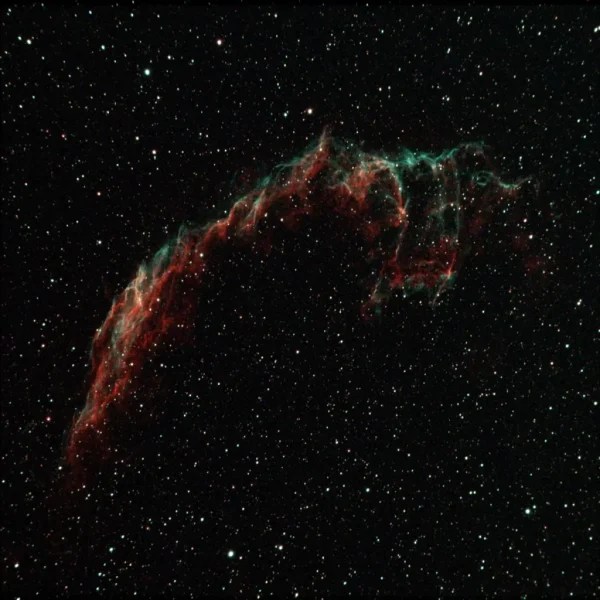
Ten thousand years ago a supernova exploded and today we can still see the remnant of this catastrophic event in Cygnus constellation.
The Veil Nebula is part of this supernova remnant, called the Cygnus Loop. Scientist estimate that a star 20 times more massive of the Sun turned into supernova about 10,000 year ago.
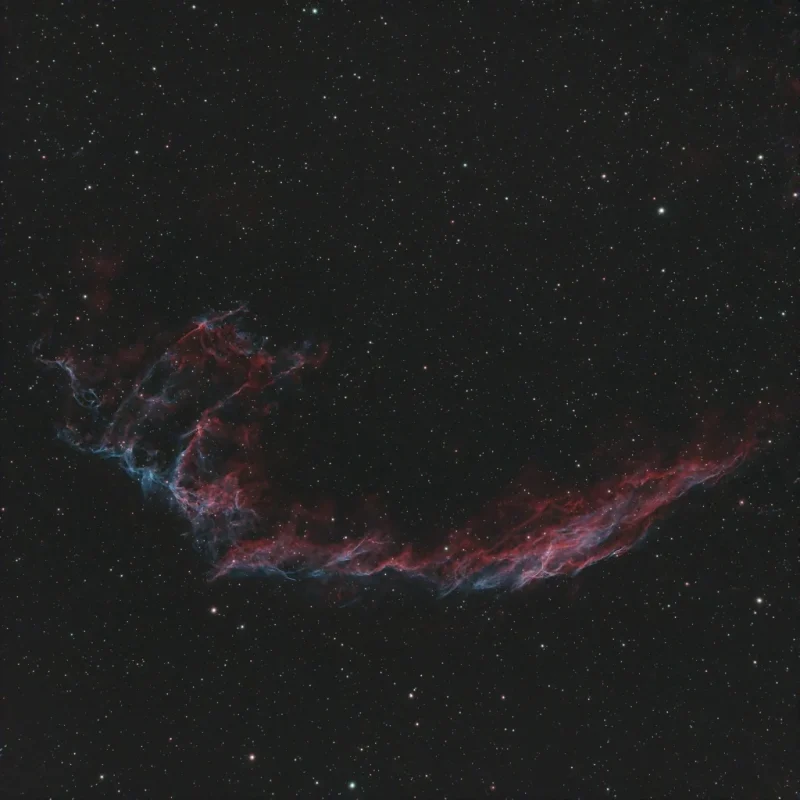
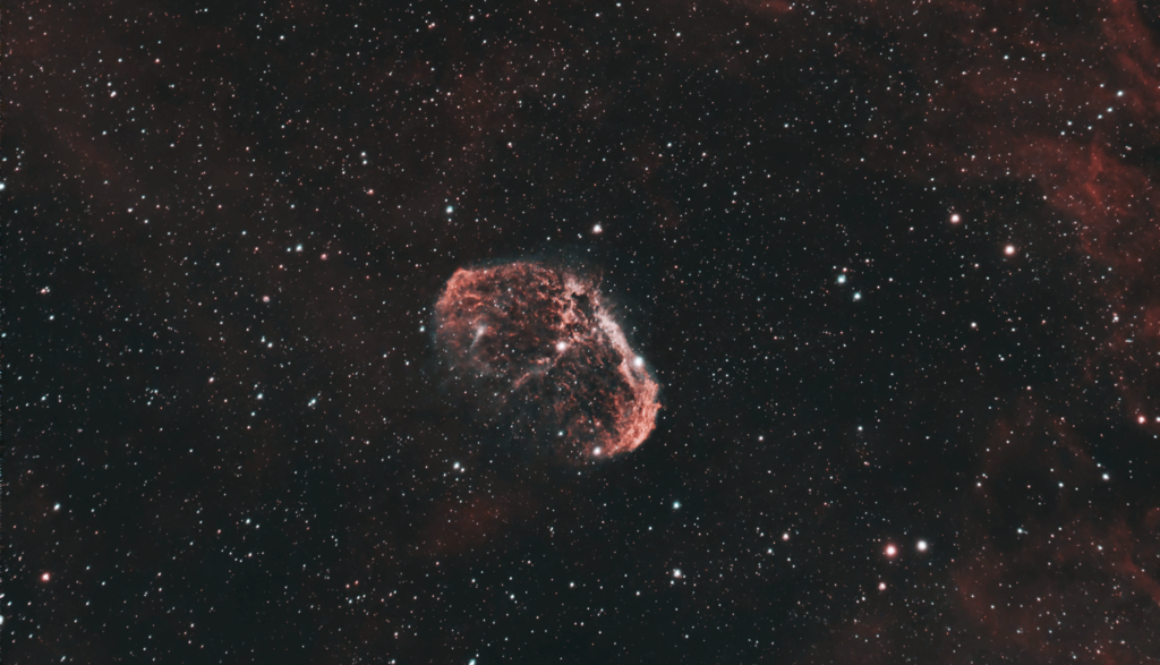
I imaged the East Veil (NGC 6995) on August 13 from my backyard in Richmond Hill (ON), with my ES ED80CF apochromatic refractor, the ZWO ASI533MC PRO camera, the Celestron AVX mount, and a narrowband filter (the Optolong L-eXtreme).
The bright Moon and wildfire smoke did not help, but I was able to gather enough signal. I acquired the images with NINA and processed them with PixInsight.
If you move the slider, you can switch between the image with the stars and the starless version of the nebula.
Setup

Join me as I take a look back at the most exciting moments of my astroimaging journey in 2023. Some highlights below:
Get ready for another orbit around the Sun and, as always, remember to keep looking up at the stars!
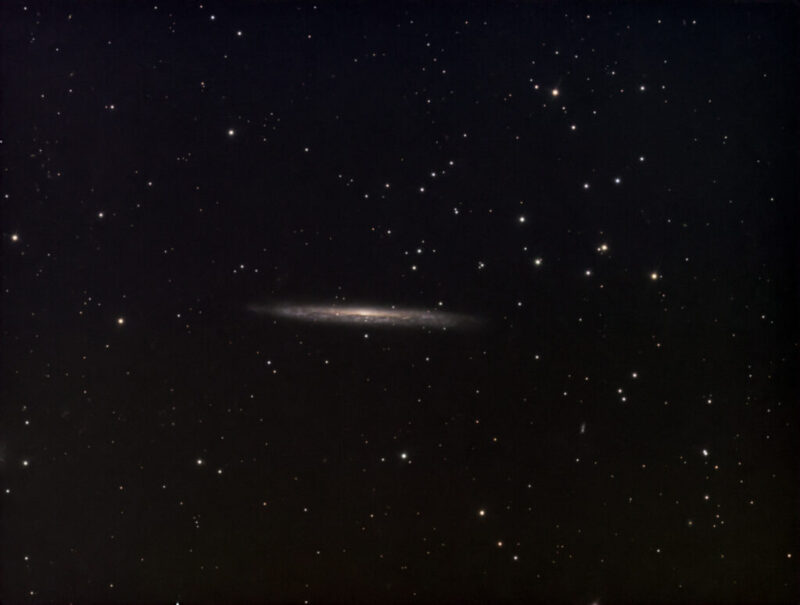
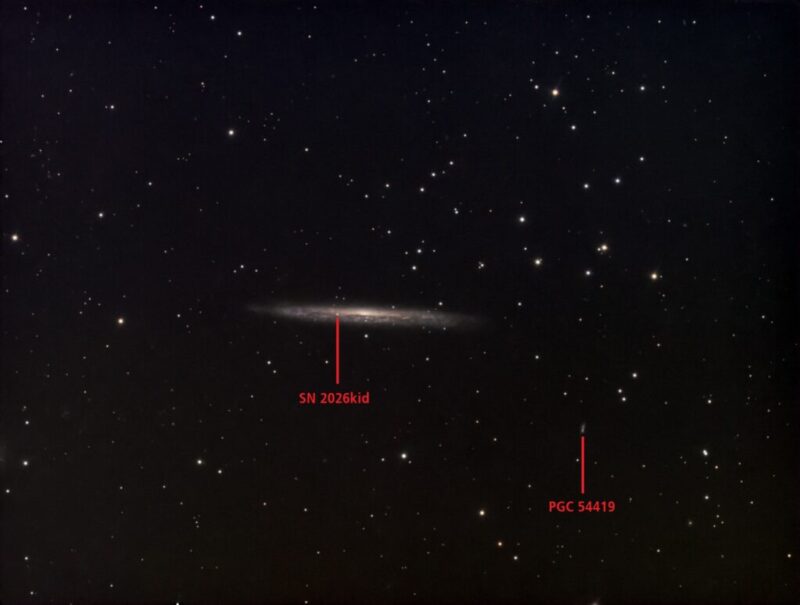
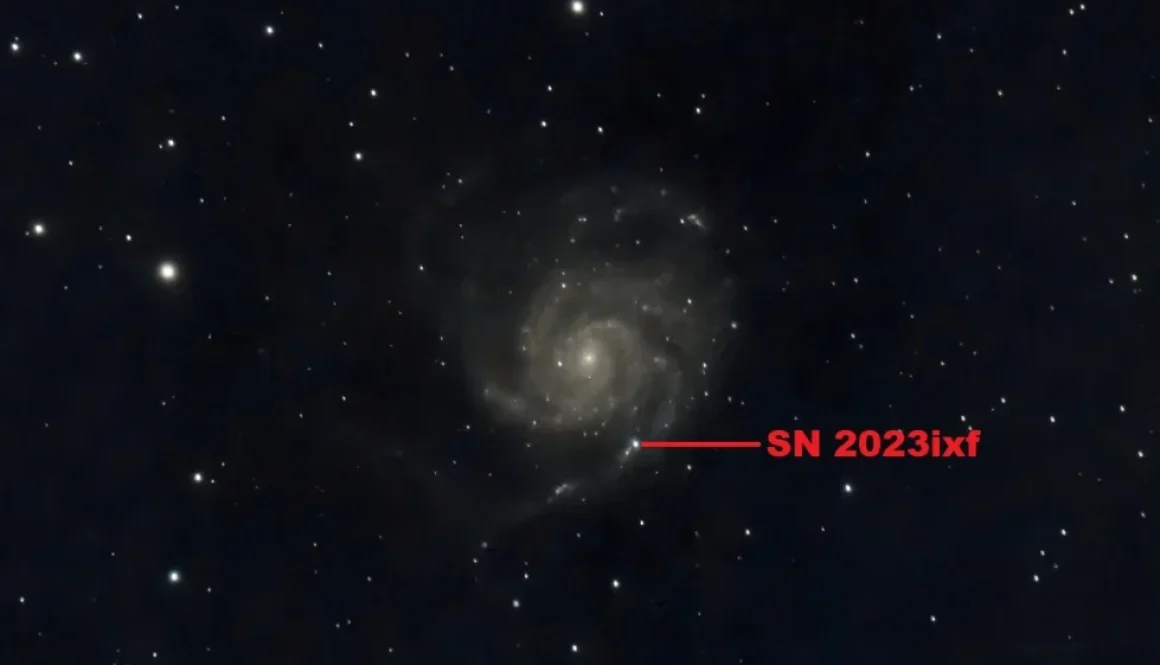
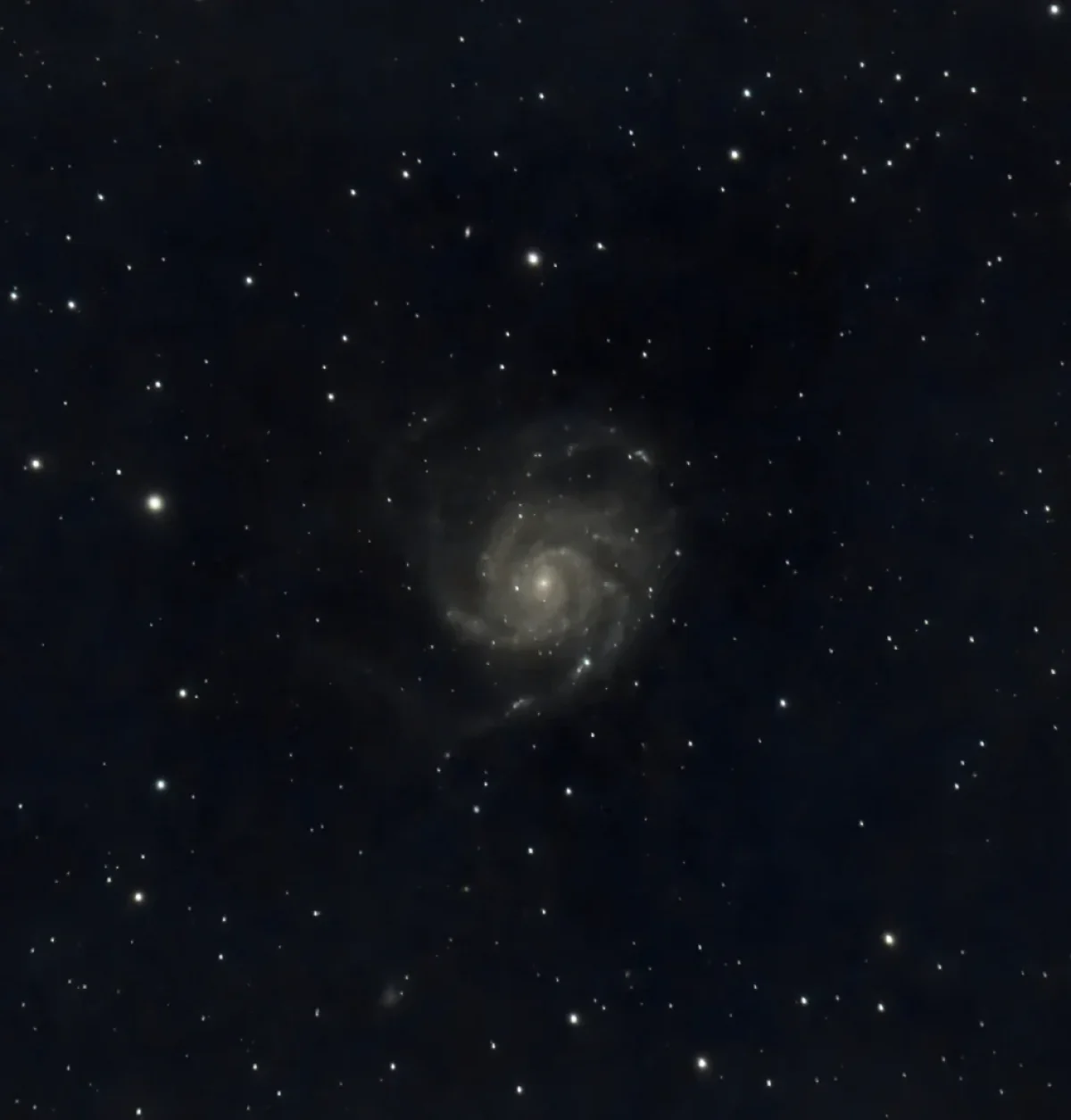
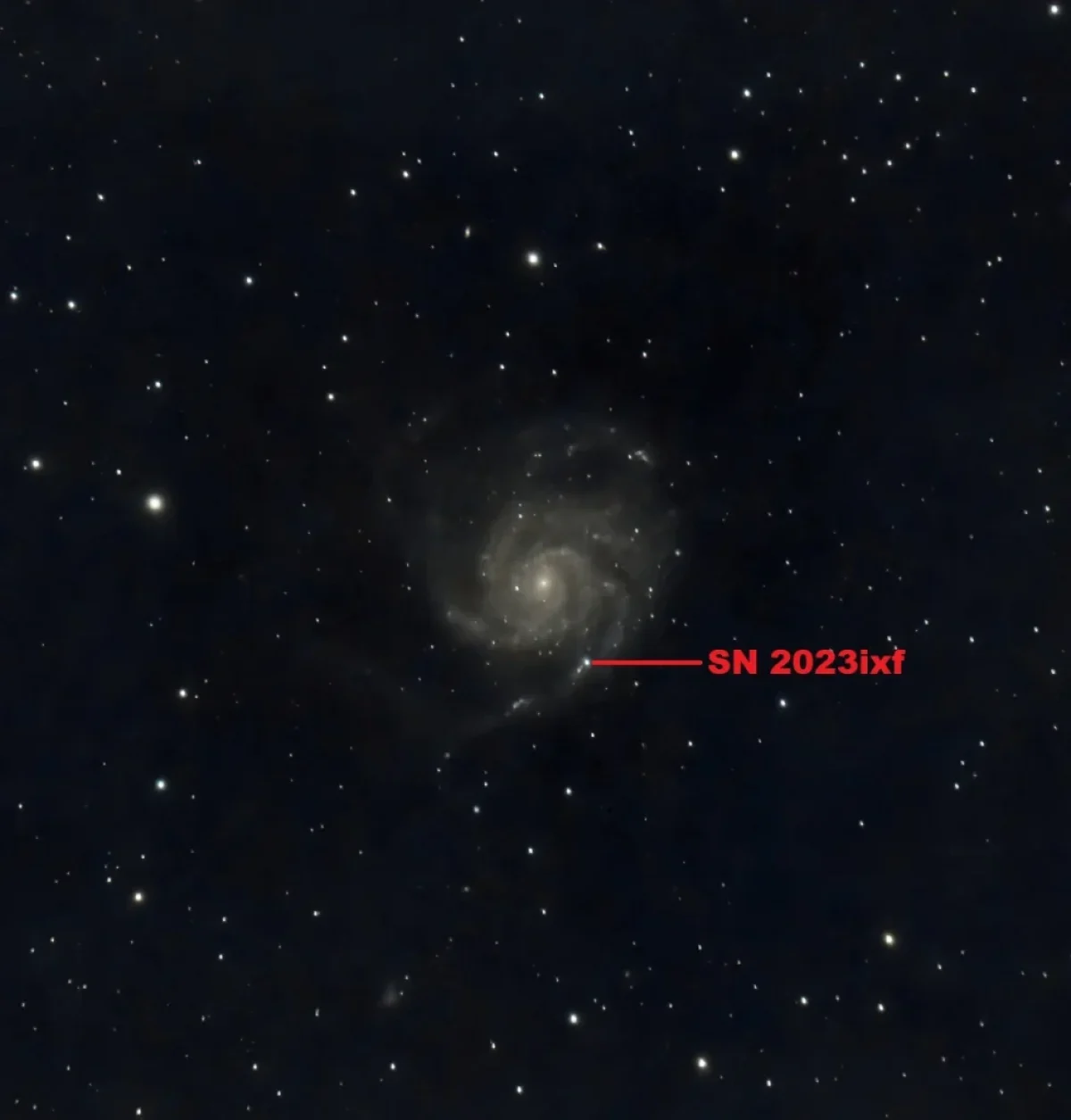
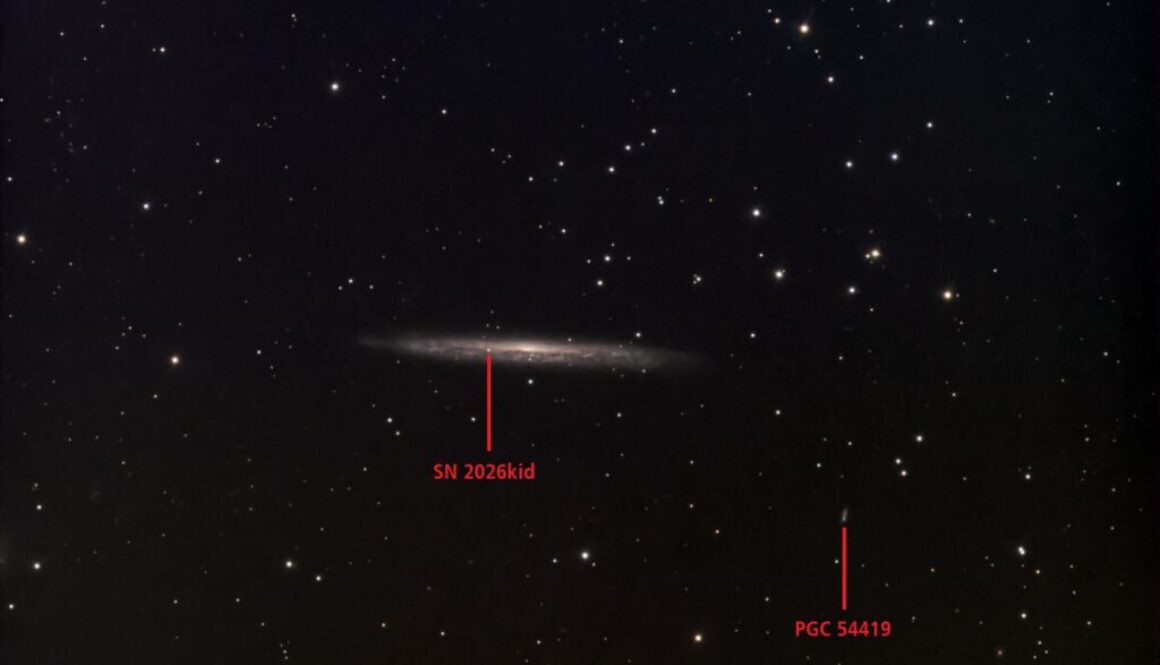
Hold on to your telescopes, stargazers! A rare and beautiful astronomical event is now in the headlines: a new bright supernova is visible in the galaxy M101! It was discovered by the experienced supernova hunter Koichi Itagaki, from Yamagata, Japan, on Friday, May 19, 2023.
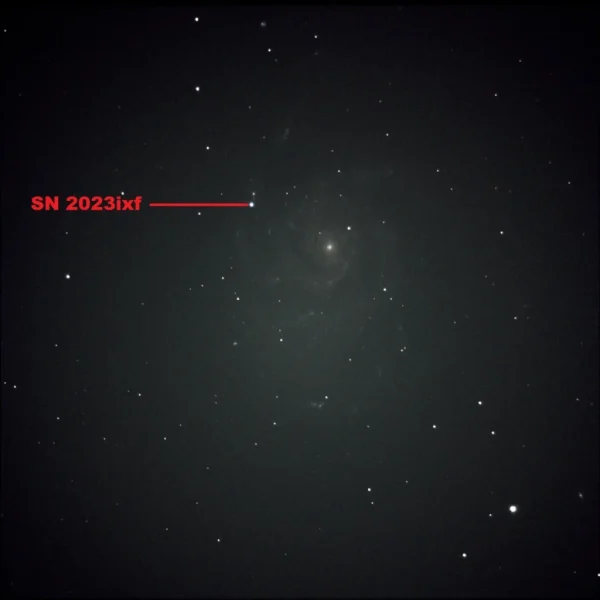
This type II supernova, named SN 2023ixf, is located in the galaxy Messier 101 (the Pinwheel Galaxy), in Ursa Major.
Picture this: The Pinwheel Galaxy, situated approximately 21 million light years away, has treated us to a sight that actually transpired eons ago when a colossal star erupted, sending shockwaves throughout the cosmos!
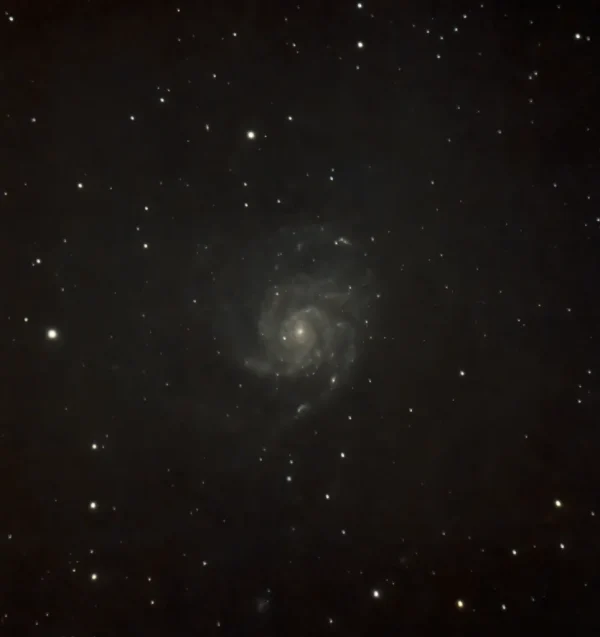
Interestingly enough, just three days prior to this extraordinary celestial event, I captured images of the Pinwheel Galaxy on May 16. Little did I know that I was on the cusp of witnessing one of the most energetic events in the universe!
SN 2023ixf burst forth with such luminosity that it outshone the very heart of its galactic host. With an estimated magnitude of 11 and its advantageous positioning in our skies during this time of the year, this astonishing spectacle presents an accessible target for those equipped with modest telescopes.
Despite less-than-ideal weather conditions, including hazy and smoky skies that posed a challenge to guiding, I managed to obtain a series of images of both the galaxy and the supernova on May 22. On May 24, utilizing my C8 SCT, I once again captured images of the galaxy and the supernova, and I plan to continue observing and documenting their evolution in the upcoming weeks.
The supernova SN 2023ixf is expected to remain visible in the Pinwheel Galaxy for the next few months before gradually fading away.
Setup
Note: Scroll the slider to switch between the images of the Pinwheel Galaxy (M101) and the supernova SN 2023ixf with and without labels.

My 2022 astrophotography highlights: two lunar eclipses, deep sky imaging, nebulae and galaxies, globular clusters, a comet, a quasar, a supernova, a black hole, the Moon, Jupiter, Saturn, Neptune and Mars.
As an avid astrophotographer, I captured some unforgettable moments in 2022. From lunar eclipses to supernovas, from galaxies to bright nebulae, from planets to sunspots, it was a year filled with exciting celestial events and beautiful cosmic sights.
I was lucky enough to have a clear sky when two lunar eclipses occurred. The first one was a partial lunar eclipse that happened on May 15, and the second one was a total eclipse visible before dawn on November 8 from my location. It was a privilege for me to photograph these beautiful astronomical events.
On May 2, I imaged a supernova in a distant galaxy for my very first time (S2022hrs, located in the NGC 4647 galaxy in Virgo). A supernova is an explosive event that occurs when a massive star collapses and explodes. I was thrilled to capture this supernova with my 8 inch telescope and imaging camera from my light polluted location.
I imaged the first ever discovered quasar (3C 273), located at the heart of a distant galaxy in Virgo. It is breathtaking to think of this mysterious celestial object which is the extremely bright core of an active galaxy powered by a supermassive black hole, that lies at a staggering 2,443 million light-years distance from Earth.
I had dozens of deep sky imaging sessions: I captured galaxies, globular clusters and narrowband images of bright nebulae. I also took some beautiful images of Jupiter and Saturn.
But perhaps the most impressive moment of the year came when I imaged Mars with its features, the North polar cap and its clouds, just a few days before its opposition. It was an amazing year for my astrophotography journey, and I can’t wait to see what 2023 will bring.
Happy 2023 and always remember to look up at the stars!