Blog
- YouTube
- Video
- Tutorials
- Supernova
- Stellarium
- Solar System
- Solar Imaging
- Planets
- PixInsight
- Open Cluster
- Northern Lights
- Nebula
- Jupiter
- Globular Clusters
- Galaxies
- Eclipse
- DSO
- Comets
- Blog
- Asteroids
- All
-
Sort by:
- Date
- Title

Unveiling the Cosmic Lace: the wonderful East Veil Nebula
Ten thousand years ago a supernova exploded and today we can still see the remnant of this catastrophic event in Cygnus constellation. I imaged part of this supernova remnant from my backyard.
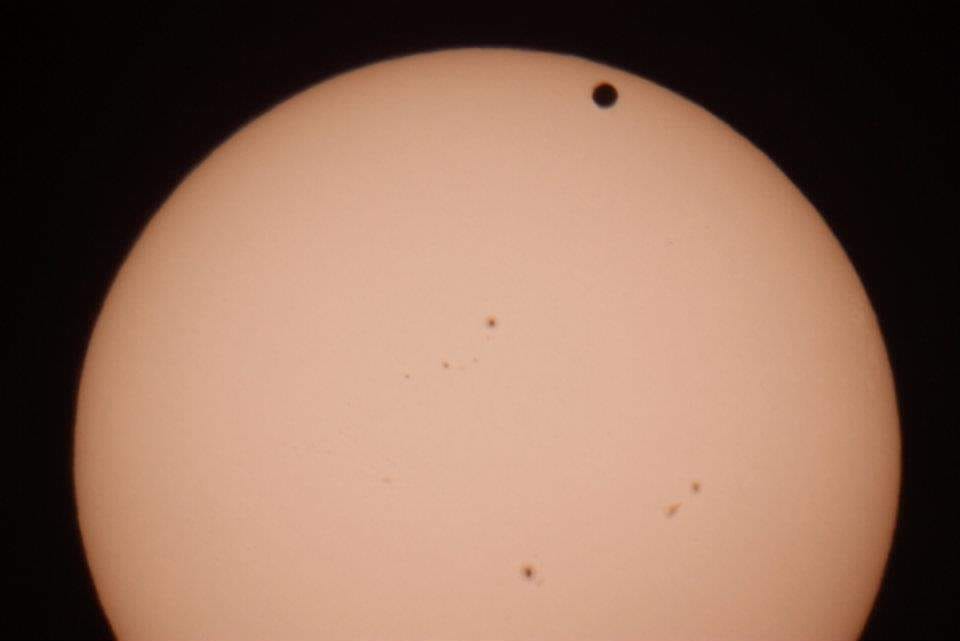
Capturing the 2012 transit of Venus: a rare celestial event
The transit of Venus happened on June 05-06, 2012, when the planet Venus appeared as a small, dark spot passing across the face of the Sun.
I was able to capture this rare celestial event with my C8 SCT, a certified solar filter and a DSLR camera.
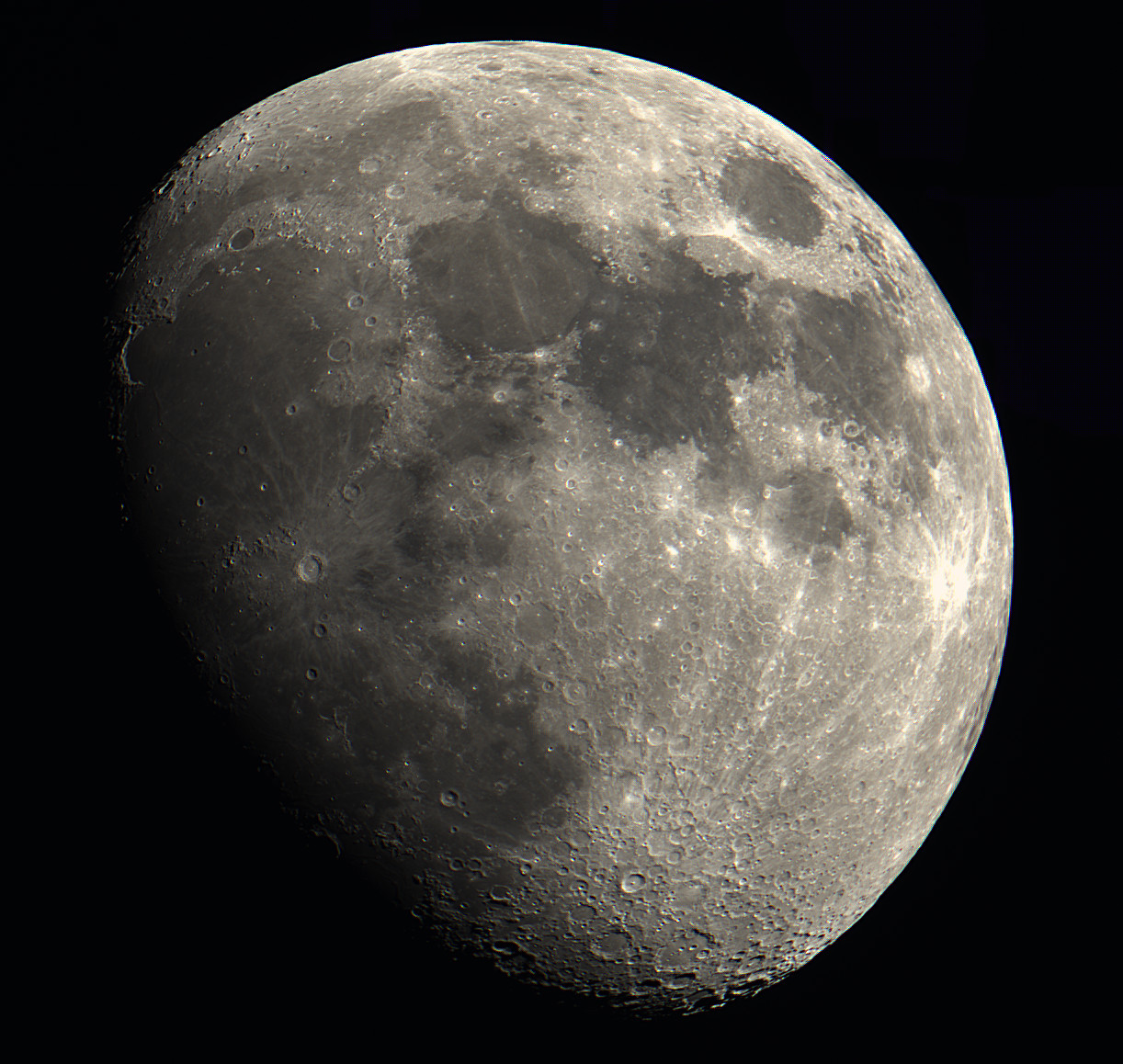
A Breathtaking Photo That Will Make You See the Moon in a New Light
To commemorate International Astronomy Day on May 18, 2024, I revisited my long-standing passion for planetary imaging and turned my telescope towards our nearest celestial neighbor – the Moon. The resulting image is nothing short of spectacular!
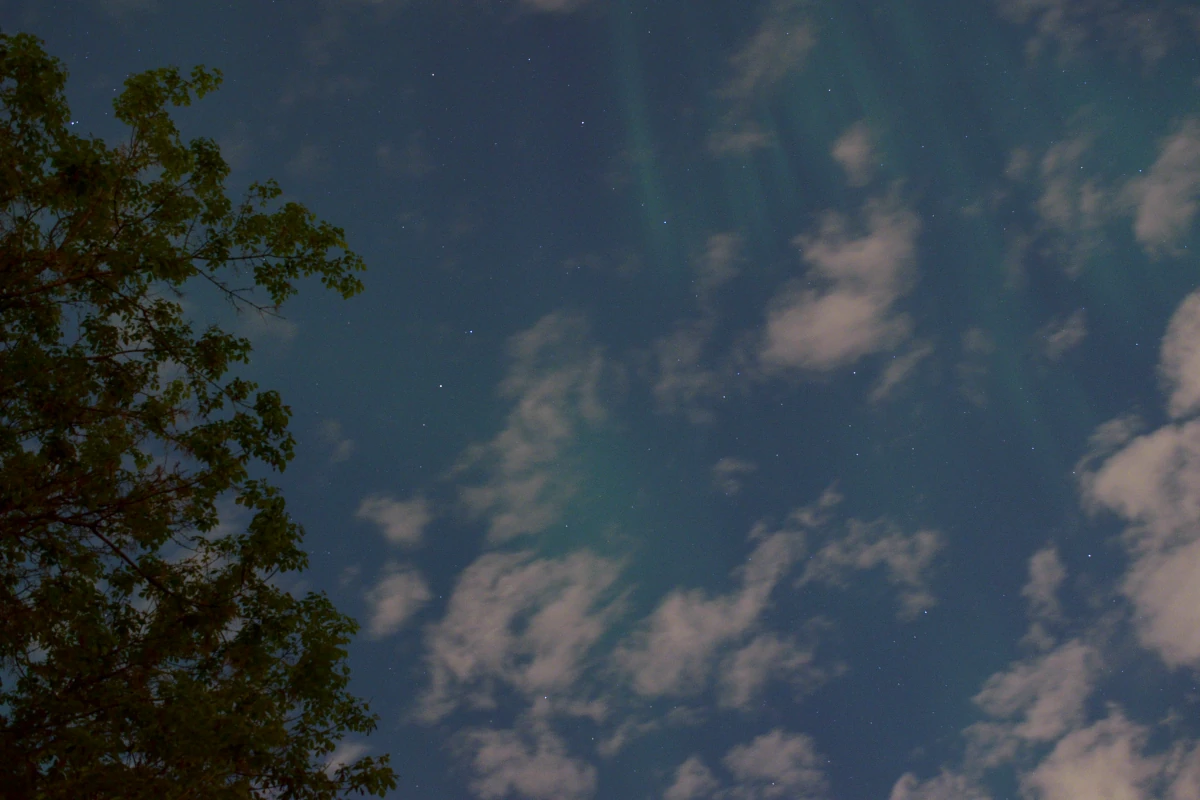
It Finally Happened! The Northern Lights in My Backyard
I will remember the night of May 10-11, 2024 as one of the most unforgettable experiences of my life.
I saw the Northern Lights directly in my backyard!
This timelapse captures the intense geomagnetic storm that literally ignited the night sky with breathtaking Northern Lights.
The storm has been ignited by several coronal mass ejections coming from the giant sunspot region AR3664, 16 times larger than Earth.
Filmed using a Wyze Cam v3 security camera, this vibrant hues of green, purple and red pillars of light dancing across the sky left me overwhelmed with emotion.

Your Complete Guide to Safely Photographing the 2024 Total Solar Eclipse with a DSLR Camera
Your Complete Guide to Safely Photographing the 2024 Total Solar Eclipse with a DSLR Camera.
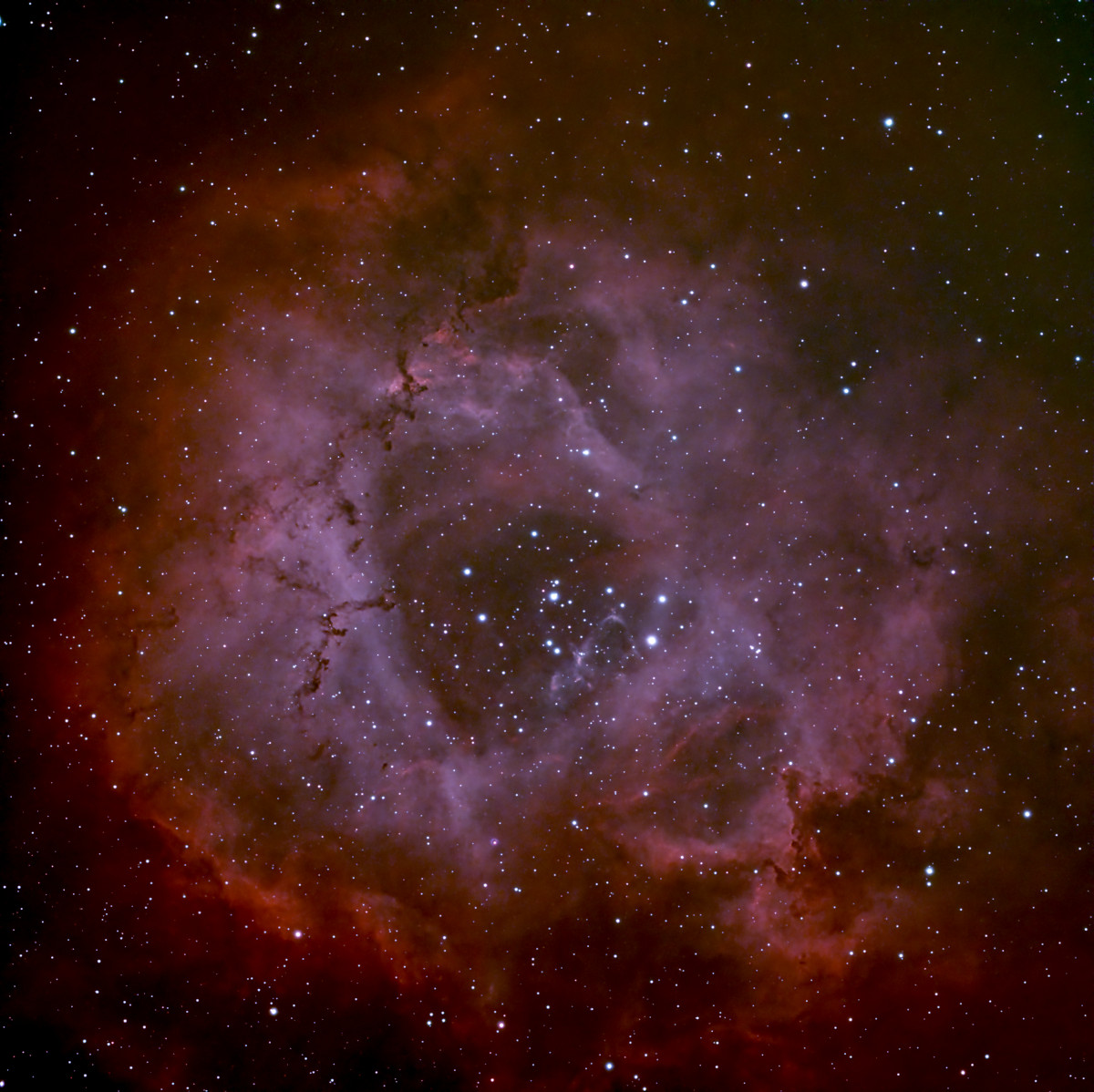
The Rosette Nebula: a celestial gift for Valentine’s Day
To celebrate Valentine’s Day I decided to image the Rosette Nebula in constellation Monoceros (the Unicorn). Also known as SH2-275 in the Sharpless catalog, or Caldwell 49, it hosts the open cluster NGC2244. Armed with my trusty narrowband setup, this time I added a Starfield 1.0x flattener to my optical train. The final result did not disappoint me!